From Physical Therapy to Full Strength
Have you just finished physical therapy and are unsure what to do next? How do you bridge the gap from physical therapy to full strength?

Have you just finished physical therapy and are unsure what to do next? How do you bridge the gap from physical therapy to full strength?

Corrective exercise is important because it helps identify and fix movement dysfunctions, imbalances, and muscular weaknesses that can lead to pain, poor performance, or injury.

Corrective exercises for the hip are designed to improve mobility, stability, strength, and alignment. These exercises are especially useful for addressing imbalances or dysfunctions caused

Corrective exercises for the knee are designed to improve mobility, stability, strength, and alignment, often to help with issues like knee pain, patellar tracking problems,

Corrective exercises for the neck are designed to improve posture, reduce pain, increase range of motion, and correct muscular imbalances. These exercises are especially helpful

Corrective exercise for the ankles are designed to improve mobility, stability, strength, and proprioception. These exercises are especially useful after injuries like sprains or for

Corrective exercises for the shoulders typically aim to address common issues like poor posture, muscle imbalances, weakness, limited range of motion, or joint instability. Below

Corrective exercise for low back pain aims to improve mobility, stability, posture, and core strength. The appropriate routine depends on the cause of the pain

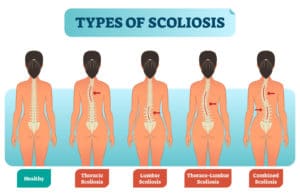
Medical Fitness for Scoliosis is changing the outlook of the condition and helping people enjoy a better quality of life. Scoliosis is a three-dimensional abnormality